Smiling Scissors Embroidery Design Review
As an embroidery designer who spends weekends hunched over a table at craft fairs, I know that the difference between a design that sits on the shelf and one that flies off it often comes down to two things: immediate visual appeal and production practicality. When I first laid eyes on the Smiling Scissors machine embroidery design, my initial reaction was a mix of nostalgia and commercial curiosity. It is not just another generic icon; it is a character-driven motif that speaks directly to the Back To School season while retaining enough universal charm to work year-round.
This review breaks down why this specific embroidery file deserves a spot in your digital library, how it performs across various craft fair products, and what you need to watch out for during production to ensure your handmade inventory sells well.
First Impressions: Cheerful, Bold, and Market-Ready
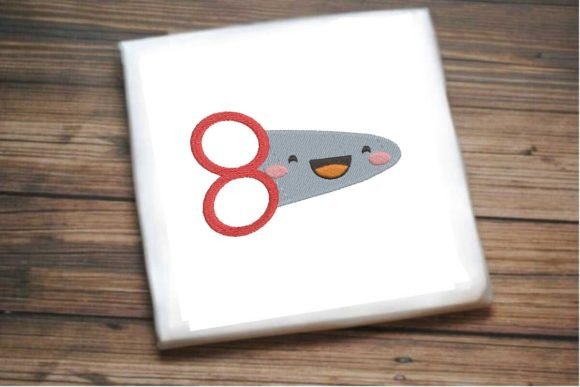
The title Smiling Scissors suggests personality, and the design delivers. In the world of machine embroidery design, characters with faces tend to perform better than abstract shapes because they create an instant emotional connection. The smiling face adds a layer of whimsy that appeals to parents buying supplies for children, teachers looking for classroom decor, and anyone who appreciates a touch of humor in their stationery.
Visually, the design feels modern yet approachable. It avoids the overly rustic or farmhouse aesthetic that saturates the market, leaning instead into a clean, cheerful vibe that photographs beautifully. For an Etsy seller or boutique maker, this means your product images will pop. The bold lines and clear expression make it legible even from a distance, which is crucial when customers are walking past your booth on a busy weekend.
Product Versatility: Where Smiling Scissors Shines
One of the biggest challenges for small shop owners is creating cohesive collections without reinventing the wheel every month. Smiling Scissors solves this by being highly versatile. Here is how it translates across key handmade products:
- Tote Bags: This is perhaps the strongest application. A pair of smiling scissors on a canvas tote bag immediately signals "student," "artist," or "maker." It works as a large focal design on the front panel or as a smaller accent near the handle. It elevates a basic $5 bag into a premium tote bag design that can command a higher price point.
- Aprons and Tea Towels: While scissors are tools, the smiling face makes them friendly rather than industrial. On a kitchen apron, it adds a playful touch to cooking. On a tea towel, it serves as a great gift item for teachers or office workers. The design’s simplicity ensures it does not get lost in the weave of thicker fabrics like linen or heavy cotton.
- Embroidered Patches: If you offer patches as standalone items or as embellishments for denim jackets and backpacks, this design is ideal. The distinct outline allows for easy trimming and ironing/sewing on, making it a low-friction small shop product.
- Caps and Beanies: Curved surfaces can be tricky, but if the stitch count is moderate, this design can sit nicely on the front panel of a baseball cap. It appeals to the DIY crowd who customize their headwear.
- School Supplies and Pouches: Small fabric pouches for pencils or makeup benefit from cute motifs. The smiling scissors add a "cheer" factor that makes the item feel giftable.
Production Practicality and Quality Control
A beautiful design is useless if it is a nightmare to produce. From a technical standpoint, designs featuring characters require careful attention to detail. Here are the critical factors to evaluate before running batch production:
Stitch Density and Detail Clarity
The description mentions the design is "meticulously crafted," which usually implies a balance between fill stitches and satin stitches. However, you must verify the stitch density. If the smile or the eye details are too fine, they may disappear on textured fabrics like canvas or terry cloth. Always test the design on scrap fabric that matches your final product material. If the facial features look muddy or unclear, you may need to adjust the thread colors or reduce the size slightly to maintain sharpness.
Thread Color Selection
Contrast is king. The background color of your product (the fabric) will dictate your thread choices. For a classic look, use white or light gray scissors on a dark navy or black bag. For a softer, pastel aesthetic, try light blue or mint green threads on cream fabric. Avoid low-contrast combinations, such as yellow scissors on a beige bag, unless you plan to add a contrasting outline stitch. The right thread colors can make the same design look completely different, allowing you to create multiple variations from one digital embroidery file.
Hoop Size and Placement
Confirm the recommended hoop size for this design. If it requires a large hoop, it may limit the types of products you can embroider without awkward re-hooping. Smaller designs are generally more profitable because they use less thread and time. Ensure the placement aligns with the natural focal points of your products—centered on a tote bag or positioned correctly on a cap curve.
Stabilizer Considerations
Different fabrics require different stabilizers. Heavy canvas bags need a sturdy cut-away stabilizer to prevent distortion, while lighter tea towels might only require tear-away. Using the wrong stabilizer can cause puckering, which ruins the professional look of your finished product. Test both the fabric and the stabilizer combination to ensure the back of the embroidery remains clean and flat.
Marketing and Visual Appeal for Sellers
When listing this item online or displaying it at a fair, the Smiling Scissors design offers several marketing advantages:
- Photography Friendly: The bright, happy expression draws the eye. In product photos, it pairs well with school supplies like notebooks, pens, and apples, creating a cohesive theme for Back To School campaigns.
- Giftability: Items featuring cute characters are perceived as gifts. This expands your potential customer base beyond just students to include grandparents, friends, and colleagues.
- Brand Consistency: If you have other character-based designs, adding Smiling Scissors to your collection creates a recognizable style. Buyers often return for more items that match a aesthetic they already love.
Final Designer Notes and Recommendations
Before you commit to mass-producing Smiling Scissors, follow these best practices:
- Create a Printable Mockup: Before cutting fabric, place the design on a digital mockup of a tote bag or apron. This helps you visualize scale and placement without wasting materials.
- Check Commercial Licensing: Ensure you have the proper rights to sell finished products made from this design assets. Many platforms require explicit commercial licensing for embroidered goods.
- Test on Multiple Fabrics: Do not assume it looks good on one fabric type. Test it on denim, cotton, and polyester blends to see how the texture interacts with the stitches.
- Inspect Stitch Direction: Look closely at the directional flow of the stitches. Poorly programmed directionality can make a design look cheap. The smile should appear smooth and natural, not jagged.
In conclusion, Smiling Scissors is a strong candidate for any embroiderer’s repertoire. It balances cuteness with professionalism, offers high versatility across commercial embroidery products, and taps into the evergreen demand for school-themed and gift-oriented items. By paying attention to stitch quality, thread contrast, and proper stabilization, you can turn this simple design into a best-selling craft fair product that delights customers and builds your brand reputation.