Harrington Font GHI Review for Embroidery Projects
As an embroidery designer who spends hours tweaking stitch angles and testing density on everything from denim to delicate muslin, I am always looking for fonts that do more than just fill space. They need to have character. Recently, I came across Harrington Font GHI on Creative Fabrica and decided to put it through its paces. The goal was simple: determine if this font is viable for real-world commercial projects, particularly those involving personalized gifts and small-batch apparel.
When you are selling handmade goods on Etsy or running a boutique craft booth, the difference between a "good" design and a "sellable" product often comes down to typography. A generic script can look cheap if the spacing is off, while a bold block letter might overwhelm a small tote bag. Harrington Font GHI sits in a unique middle ground. It feels classic yet approachable, making it a versatile choice for a wide range of customers.
First Impressions and Visual Mood
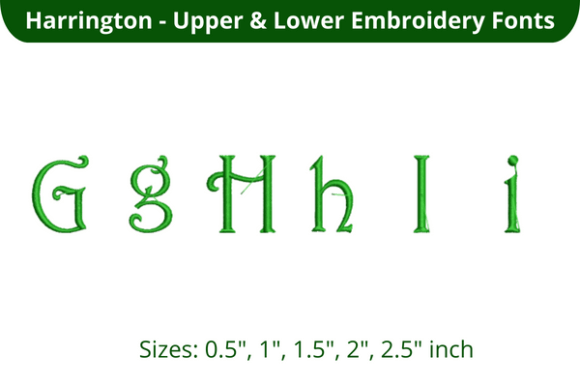
The first thing you notice about Harrington Font GHI is its refined aesthetic. It carries a slightly vintage, editorial vibe without being overly ornate. In the realm of machine embroidery, this translates to a design that reads clearly even at smaller sizes. Unlike some decorative fonts that rely heavily on complex swirls which can tangle in dense areas, this font relies on clean lines and balanced proportions.
Visually, it exudes a sense of professionalism. For designers creating products for the Back To School season, this font strikes the right balance between playful and structured. It works beautifully for names on backpacks, dates on academic planners, or quotes on motivational wall art. The "GHI" designation suggests a specific weight or style variation within the broader Harrington family, offering a sturdy presence that holds up well against textured fabrics like canvas or fleece.
Performance in Real-World Embroidery Projects
I evaluated Harrington Font GHI across several common product categories to see how it performs when digitized and stitched. Here is how it held up in practical scenarios:
- Tote Bags and Canvas Totes: This is perhaps the strongest use case. The font’s clean geometry contrasts nicely with the rough texture of cotton canvas. When used for short phrases or single names, it creates a focal point that doesn’t get lost in the weave. It elevates a simple tote into a statement piece suitable for retail.
- Sweatshirts and Hoodies: For cozy apparel, the font provides a nice contrast to the softness of the material. It looks particularly good in satin stitch for initial caps, giving a polished finish that appeals to gift buyers. However, on heathered or dark fabrics, thread selection becomes critical to maintain legibility.
- Baby Items and Nursery Decor: While the font has a mature feel, it can be adapted for baby blankets or nursery signs by using softer pastel threads. The clarity of the letters ensures that names remain readable even on the tiny hoops often used for bibs or burp cloths.
- Kitchen Towels and Aprons: These items require durability. The structural integrity of Harrington Font GHI means it stitches cleanly without excessive thread breaks, which is important for items that will undergo frequent washing. It adds a touch of farmhouse chic that is popular in home decor markets.
- Caps and Embroidered Patches: Curved surfaces present a challenge for many typefaces. Because Harrington Font GHI has strong vertical stems, it tends to follow curves better than italicized or highly variable fonts. For embroidered patches, the defined edges help the patch stand out as a distinct accessory.
Considerations for Small Hoops and Tiny Lettering
One area where designers must exercise caution is when scaling Harrington Font GHI down for very small hoop sizes. While the font is clear, extremely small text can suffer from loss of detail, especially if the digitization does not account for thread pull. If you plan to use this for tiny details on jewelry tags or miniature accessories, I strongly recommend stitching a test sample first. Ensure that the negative space between letters remains open enough to prevent merging during the stitching process.
Practical Embroidery Notes and Best Practices
To get the most out of this embroidery file, there are several technical steps every designer should take before committing to a final product.
- Test on Scrap Fabric: Always run a test stitch on the actual fabric you intend to use. Fabrics behave differently; a jersey knit may distort the letters more than a woven cotton. Observing how the fabric feeds through your machine will help you adjust tension settings.
- Check Thread Color Contrast: The visual impact of Harrington Font GHI relies heavily on contrast. On light fabrics, darker threads provide sharp definition. On dark fabrics, consider using metallic or high-sheen threads to make the design pop. Avoid low-contrast combinations unless the lighting conditions are controlled.
- Review Stitch Density: Examine the digitization for areas of high stitch density. Dense fills can create stiff spots on garments, reducing comfort. If the design feels too heavy, consider switching to a lighter underlay or adjusting the top stitch density to improve drape.
- Confirm Hoop Size: Ensure the design fits comfortably within your standard hoop sizes. Overfilling a hoop can lead to registration errors where the needle hits the hoop edge, ruining the finished product.
- Use Proper Stabilizer: The choice of stabilizer is crucial. For stretchy fabrics like sweatshirt material, a cut-away stabilizer is essential to prevent distortion over time. For stable fabrics like kitchen towels, a tear-away may suffice, but a water-soluble topping can help reduce shine on synthetic threads.
- Inspect Small Details: After stitching, inspect the work closely. Look for any skipped stitches or loose threads. This quality control step is vital for maintaining buyer trust and ensuring your brand reputation remains solid.
Affecting Product Value and Brand Consistency
Using a high-quality font like Harrington Font GHI directly impacts how your handmade product is perceived. Customers associate clean, professional typography with higher value. When a buyer sees a neatly embroidered name on a tote bag or a crisp quote on a pillow cover, they perceive the item as a premium gift rather than a mass-produced commodity.
This font also supports brand consistency. If you are building a line of custom apparel or digital embroidery files, having a reliable, versatile typeface allows you to maintain a cohesive look across different product types. Whether you are creating printable mockups for marketing or producing physical goods for a craft fair, Harrington Font GHI provides a consistent visual language that ties your offerings together.
Furthermore, the personalization aspect of this font enhances customer engagement. Names and dates evoke emotional connections. When a customer receives a personalized gift featuring a well-executed design, they are more likely to share photos on social media, providing free marketing for your shop. The aesthetic appeal of the font encourages these shares, boosting your visibility in competitive markets like Etsy.
Final Thoughts for Creative Entrepreneurs
Harrington Font GHI proves to be a reliable addition to any designer’s library. It balances elegance with readability, making it suitable for a diverse array of applications from commercial embroidery to intimate handmade crafts. Its performance on various fabrics and its ability to enhance the perceived value of finished goods make it a worthy investment for serious creators.
However, remember that no font is perfect for every situation. Always review the specific file details and licensing terms on the Creative Fabrica product page before incorporating it into your business workflow. Confirming the allowed uses for design assets protects your business and ensures you are complying with digital creator agreements.
By taking the time to test, adjust, and present your work professionally, you can leverage tools like Harrington Font GHI to create stunning machine embroidery designs that resonate with customers. Whether you are crafting seasonal handmade gifts or expanding your catalog of embroidered patches, this font offers the versatility needed to meet the demands of today’s creative marketplace.