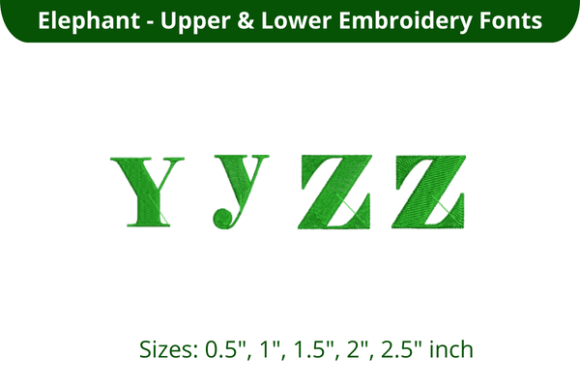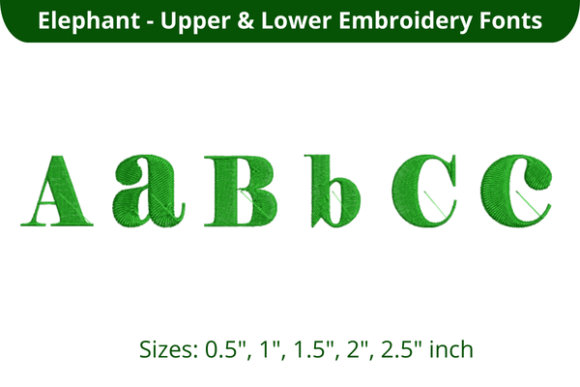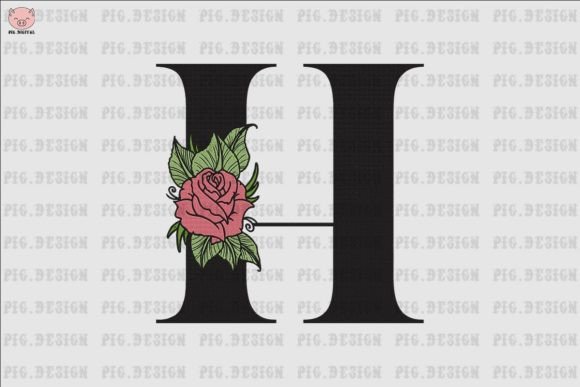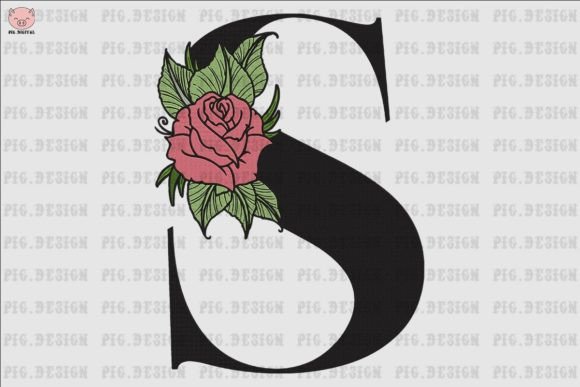
Elephant Font PQR Review
As an embroidery designer who spends hours tweaking digitizing settings and testing thread tension, I approach every new digital embroidery file with a critical eye. When evaluating assets for small business merch, branded patches, and custom apparel, the font is often the most visible element of the brand identity. Today, I am reviewing Elephant Font PQR, a machine embroidery design that promises to help personalize designs with names, dates, or quotes. For Etsy sellers, craft business owners, and boutique decorators, understanding how this embroidery file performs in real-world production is essential before committing to bulk orders.
First Impressions: Visual Personality and Professionalism
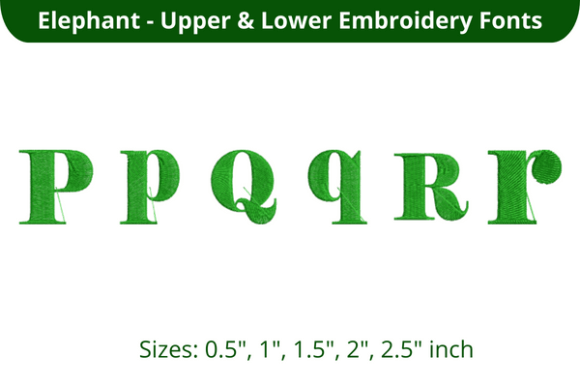
The name "Elephant Font PQR" suggests a character-driven typeface. In the world of branding, fonts are not just text; they are visual cues. Based on the title and the description provided, this design likely carries a personality that balances strength with approachability. For a small business, whether it is a local café, a handmade jewelry shop, or a creative studio, the right font can communicate values instantly.
When I first loaded the machine embroidery design into my software, I looked for clarity and weight. A font intended for merchandise needs to hold its shape when stitched. If the lines are too thin, they may disappear into the fabric texture. If they are too bold, they might look blocky on delicate items like tote bags or apron embroidery. Elephant Font PQR appears to offer a sturdy structure, making it suitable for various applications where legibility is key. It feels modern yet classic enough to remain relevant across seasons, which is crucial for businesses looking to build long-term brand recognition.
Real-World Business Applications
One of the primary reasons we buy design assets is versatility. Can this font work across multiple product lines? Here is how Elephant Font PQR performs in common commercial scenarios:
- Embroidered Patches: For brands selling sew-on or iron-on patches, lettering must be clear at small sizes. This font’s structure seems robust enough to maintain integrity when reduced to patch dimensions, ensuring your logo or slogan remains readable.
- Staff Uniforms and Aprons: In food service or retail environments, employee shirts need to look professional. Using Elephant Font PQR for name tags or department labels adds a touch of personalized craftsmanship that mass-produced prints cannot match. The thread colors will pop against standard uniform fabrics if contrasted correctly.
- Caps and Headwear: Cap embroidery requires precise digitizing to accommodate curvature. If the spacing in Elephant Font PQR is well-balanced, it will curve naturally without overlapping, making it ideal for front-panel branding on hats sold at markets or events.
- Tote Bag Design: Canvas totes are a staple for small business merch. A clean, distinct font allows for minimalist designs that appeal to eco-conscious consumers. Whether used for a simple monogram or a short quote, this design offers a premium feel.
- Product Packaging Accents: Beyond apparel, consider using this font on hangtags or fabric labels attached to your handmade products. Consistency between your packaging and your main merchandise strengthens the overall brand identity.
Specific Use Cases for Seasonal Trends
While this review focuses on general utility, the Back To School category presents unique opportunities. Parents and students often seek personalized items. Elephant Font PQR could be used for student ID covers, locker tags, or backpack accents. The ability to write names and dates easily makes it a functional choice for parents looking for durable, custom apparel additions that withstand daily wear and tear.
Where to Exercise Caution
No single embroidery file is perfect for every situation. As a designer, I always advise clients to test before scaling up. There are specific scenarios where Elephant Font PQR might require adjustments or careful consideration:
- Small Patch Sizes: If you plan to stitch this font on patches smaller than two inches, inspect the spacing closely. Thin serifs or intricate details may fill in with thread, creating a blob rather than letters. Simplify the design if necessary.
- Curved Surfaces: While caps are great, other curved items like sleeves or rounded containers can distort text. Ensure the digitizing accounts for the stretch of the fabric on these surfaces.
- High Stitch Density: Check the density settings in the file. High density can make fabric stiff and uncomfortable, especially on t-shirts or lightweight tunics. If the design uses too many stitches per inch, it may pucker the material.
- Textured Fabrics: On heavy denim, fleece, or textured knits, fine details can get lost. Test on the actual fabric you intend to use to ensure the thread colors stand out against the background.
- Frequent Washing: For items like aprons or work shirts that undergo industrial laundering, ensure the stitching is secure. Loose ends or poor underlay can lead to unraveling over time.
Impact on Brand Identity and Customer Trust
Investing in high-quality embroidery signals professionalism. Customers associate hand-finished or machine-embroidered details with higher value compared to screen-printed graphics. By using a distinctive font like Elephant Font PQR, you differentiate your products from generic competitors.
Consistency is key. If your logo, website, and physical products all feature similar typographic styles, you build stronger visual consistency. This reinforces customer trust and makes your brand more memorable. Furthermore, personalized elements—such as a customer’s name stitched onto a tote bag—create an emotional connection, increasing the likelihood of repeat purchases and positive reviews.
Practical Designer Notes for Production
To get the best results from this digital embroidery file, follow these practical steps:
- Test in Black and White: Before selecting complex color palettes, stitch the design in black thread on white fabric. This helps you evaluate the shape and spacing without the distraction of color.
- Check Hoop Size: Confirm that the design fits within your standard hoop sizes. If the design is larger than your hoop, you will need to rehoop, which can misalign the text.
- Use Proper Stabilizer: The choice of stabilizer (cut-away vs. tear-away) depends on the fabric. Incorrect stabilizer choice can cause shifting or puckering, ruining the finished product.
- Create a Printable Mockup: Before producing physical samples, create a digital mockup to show clients or for marketing materials. This saves time and material costs.
- Confirm Commercial Licensing: Always verify the licensing terms of the embroidery file before selling finished goods. Some designs are for personal use only, while others allow commercial resale. Protect your business by ensuring you have the right permissions.
Final Verdict
Elephant Font PQR appears to be a versatile and strong candidate for small business owners looking to add a professional touch to their merchandise. Its potential for use in embroidered patches, uniforms, and accessories makes it a valuable addition to any designer’s toolkit. However, success lies in the details: proper testing, appropriate fabric selection, and mindful application.
For those seeking to elevate their handmade product offerings, this font offers a blend of style and functionality. By following the recommended testing protocols and considering the specific needs of each project, you can leverage Elephant Font PQR to create cohesive, high-quality branding that resonates with customers. Remember to check the specific technical details, such as exact stitch count and file format compatibility, with the provider before finalizing your production plans. With careful execution, this design can become a cornerstone of your brand’s visual language.